Why Gamification Is the Secret Ingredient in Modern Event Photography
Your guests have cameras in their pockets. So why do most events end with a half-empty Google Drive folder? The answer is activation, and gamification is how you get there.
Think about the last event you attended. Your phone stayed in your pocket for most of it. Not because nothing was happening, but because nothing prompted you to capture it.
Now imagine someone had walked up and said: "Quick challenge: find the funniest face in the room and photograph it in the next five minutes."
You'd have gone looking. You'd have noticed things. You'd have shot something you never would have otherwise.
That's gamification. And it's quietly transforming how events collect memories.
What Is Gamification in the Context of Event Apps?
Gamification means applying game mechanics like challenges, prompts, points, reactions, and leaderboards to non-game contexts. In event photo apps, it turns "take a photo if you feel like it" into an active, engaging experience where guests are genuinely motivated to participate.
The core elements typically include:
- Photo prompts that direct what to shoot ("capture the best dance move", "find someone crying happy tears")
- Reactions and voting letting guests like, emoji-react, or vote on each other's photos
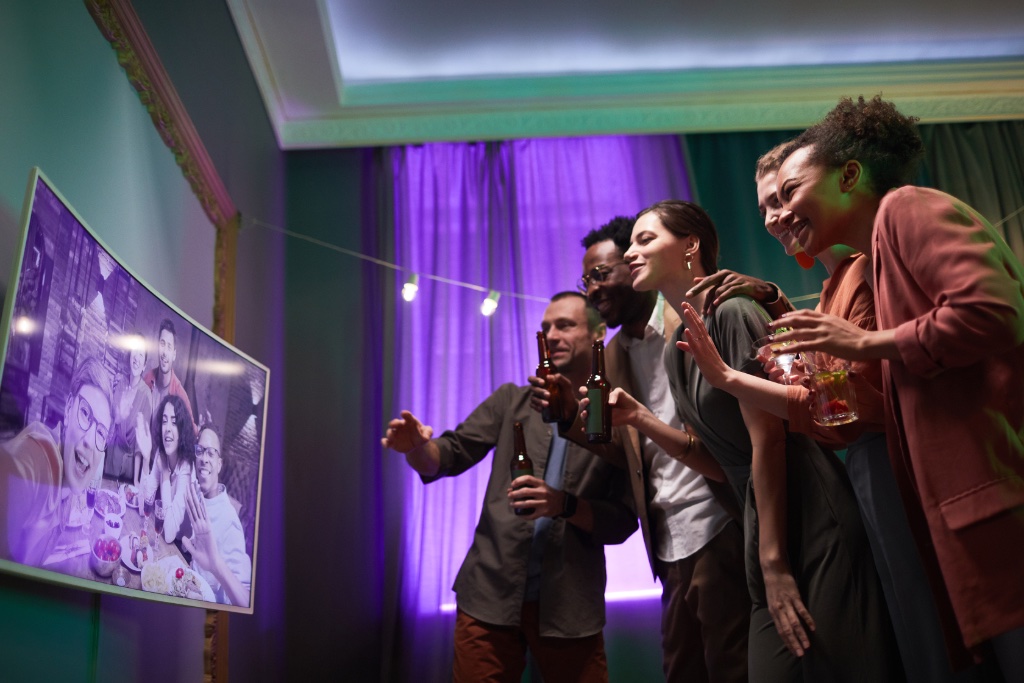
- Live display showing photos on a big screen in real time, creating instant social feedback
- Awards and highlights recognising standout shots ("Funniest Shot", "Best Candid")
- Time-limited challenges adding urgency that spikes participation at key moments
Each of these draws on the same psychological principles that make mobile games, fitness apps, and loyalty programmes so effective at shaping behaviour.
Why Passive Photo Collection Doesn't Work
The traditional approach, "share your photos to this Google Drive link after the event", fails for one simple reason: it asks for effort with no immediate reward.
Research consistently shows that delayed, low-feedback tasks produce low engagement. A landmark 2014 literature review by Hamari, Koivisto, and Sarsa analysed 24 empirical gamification studies and found that gamification generally produces positive effects on engagement, but only when the right motivational mechanics are in place.
Asking someone to remember to upload 47 photos to a shared folder three days after a wedding is asking a lot. Most people don't. Those who do upload a fraction of what they actually shot. The motivational structure simply isn't there.
Contrast that with a gamified experience: a photo prompt appears during cocktail hour, a guest shoots something candid, uploads it instantly, sees it appear on the live wall, and watches others react with laughing emojis. The reward is immediate and social. The loop closes right there and then.
The Psychology Behind Why It Works
There are several well-established psychological mechanisms at play when gamification is done well.
Self-Determination Theory: Autonomy, Competence, and Relatedness
Ryan and Deci's Self-Determination Theory is one of the most cited frameworks in motivational psychology. It argues that humans have three core psychological needs: autonomy (the feeling of choice), competence (the feeling of capability), and relatedness (the feeling of social connection). When these are satisfied, intrinsic motivation increases naturally.
Good gamification satisfies all three at once. A photo prompt gives autonomy (you choose how to interpret it), competence (completing a creative challenge feels rewarding), and relatedness (your photo is seen and reacted to by the people around you). A 2017 study in Computers in Human Behavior confirmed that gamification increases engagement specifically by satisfying these three needs.
The Zeigarnik Effect and the Completion Instinct
The Zeigarnik Effect describes how people have a stronger cognitive pull toward incomplete tasks than completed ones. A list of photo prompts triggers exactly this. Once a guest completes one challenge, the unfinished items create a low-grade cognitive tension that pushes them to continue. It's the same mechanism behind progress bars, stamp cards, and streaks in Duolingo. In event photography, completing one prompt makes the next one more likely.
Social Proof and the Live Feedback Loop
When photos appear on a live wall and guests see others' shots getting reactions, it creates visible social proof. Other people are doing this. It looks fun. I want in.
Research on FOMO published in SAGE Open found that observing others participating in a shared activity significantly increases an individual's own likelihood of joining in, particularly in social settings where group identity is salient. A wedding or corporate event is precisely that kind of setting.
The Moments That Matter Most Are Unscripted
Professional photographers are exceptional at what they do. They nail the ceremony, the first dance, the formal portraits. But they're one person with one lens. They cannot be at the kids' table and the groom's college friends' corner simultaneously.
Your guests are already at those places. The problem isn't presence. It's activation.
Photo prompts solve this by directing attention. When 150 wedding guests all receive the same challenge, "capture a multi-generational moment", suddenly 150 people are scanning the room for grandparents hugging grandkids, parents watching their children dance.
The prompt creates photographers out of everyone. The result is a breadth of coverage that no single professional can replicate, not because they lack skill, but because they lack ubiquity.
Gamification Works Because It Respects Friction
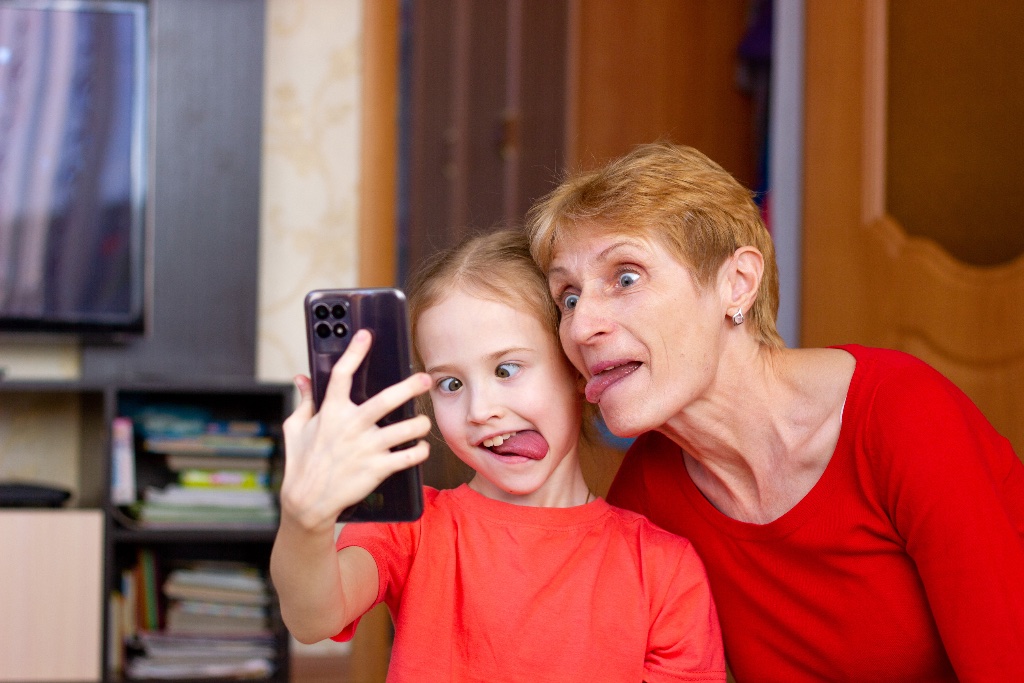
One of the most underappreciated principles in gamification design is friction management. The best implementations don't just bolt on game mechanics. They pair low-friction participation with high-frequency rewards.
Prompts need to be specific and evocative. "Take a photo" produces nothing. "Capture someone trying not to cry during the speeches" sends people looking. The specificity of a prompt is directly proportional to the motivation it generates.
The feedback loop must be fast. Photos should appear on the live wall within seconds of upload. Delayed feedback kills momentum. The social reward has to arrive before the moment passes.
Challenges need to match the event tone. A corporate awards dinner requires different prompts than a college reunion. Effective gamification is contextual. Generic prompts produce generic results.
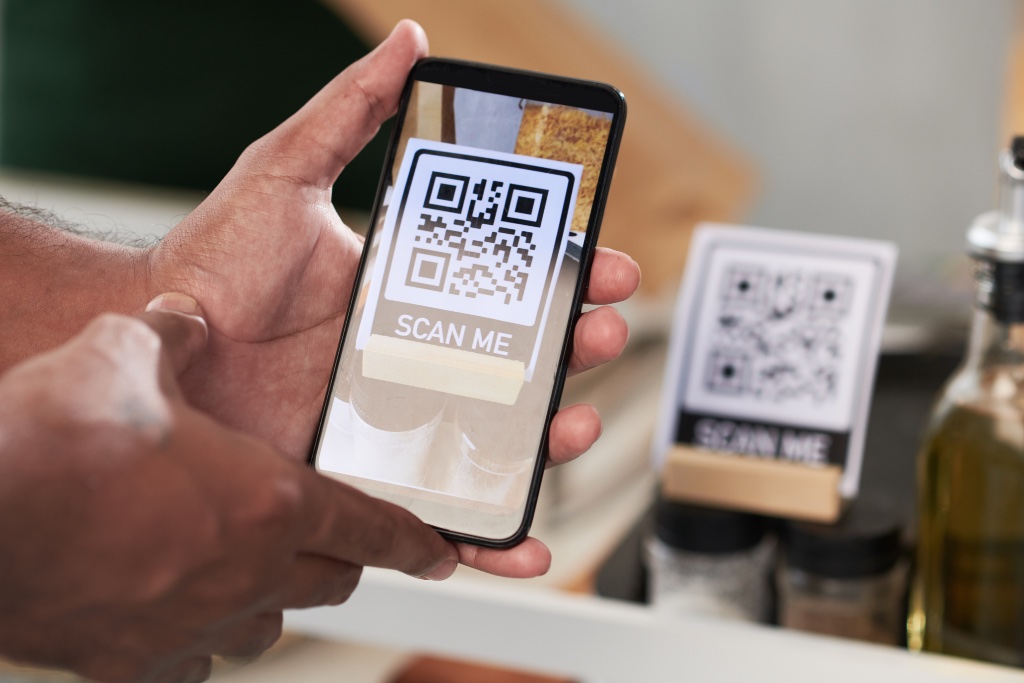
Participation has to be frictionless. The fastest way to kill engagement is a signup form before guests can submit anything. The ideal flow is: QR code scanned, browser opens, camera ready. Every additional step loses a meaningful proportion of potential contributors before they even start.
This is exactly how Photo Poodle's photo scavenger hunt app works — QR code in, challenges on screen, no download needed.
The Broader Industry Shift
The move toward gamified event experiences has been building for years, accelerating sharply as in-person events returned post-2020 and planners found that passive engagement was no longer enough. Attendees, particularly younger ones, came back expecting participation rather than observation.
According to market analysis cited by PR Newswire, the events industry is forecast to grow by over $722 billion between 2024 and 2028, driven significantly by corporate events and AI-powered engagement tools.
This shift shows up across every event type:
- Weddings: couples use gamified photo apps to supplement professional photographers, collecting candid guest-perspective shots that would otherwise be lost entirely
- Corporate events: team-building photo challenges have replaced awkward icebreakers at conferences and company parties
- Birthday celebrations: prompt packs themed to the occasion create a shared narrative told from every guest's point of view
- Conferences and festivals: gamified photography generates organic social media content at scale, with attendees effectively doing the event's marketing
What Good Gamification Looks Like in Practice
Not all gamification is created equal. A random list of prompts doesn't automatically move the needle. Research on gamification effectiveness consistently points to the importance of contextual fit and motivational relevance. Mechanics that feel arbitrary or disconnected from the activity actually reduce engagement.
For event photography, the mechanics that work are the ones that feel like a natural extension of being at the event: capturing a real moment, sharing it with the people in the room, and having it acknowledged.
That's not gamification for its own sake. It's using the structure of games to surface behaviour that people actually want to perform but wouldn't have done without the nudge.
Wrapping Up
Gamification in event photography isn't about making things artificially fun. It's about removing the barriers that stop people from participating, and providing the psychological triggers that make engagement feel natural and rewarding.
The events industry has learned what the gaming and fitness industries figured out years ago: behaviour follows design. To get guests taking more photos, capturing more moments, and creating a richer record of your event, you have to design for that outcome.
Photo prompts, real-time reactions, live display, and creative challenges are the tools that make it happen. The guests are already there with cameras in their pockets. Gamification is simply how you activate them.
Ready to activate your guests?
Create your first event free. No app download required for guests.
Create your event